







Search Results for: slow stream
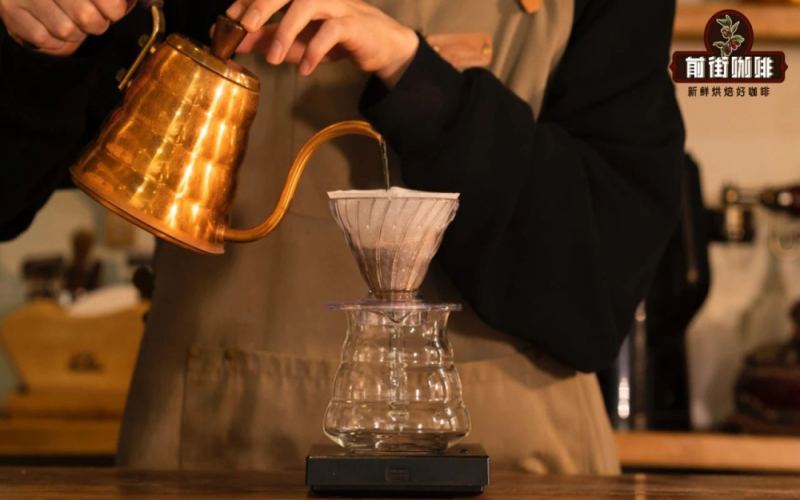
What does circular pouring actually affect in pour-over brewing? Extraction differences and practical tips from flow rate and circling speed
When brewing pour-over coffee, the size of the water stream and the speed of the circling often determine the direction of the final flavor. This article analyzes these two variables: how a small stream and a large stream respectively change the thickness of the coffee bed, the drainage speed, and the mouthfeel; and how the speed of circling affects the washing force and extraction efficiency. Using 15g of coffee, a 1:15 coffee-to-water ratio, and a water temperature of 91℃, it conducts a comparative brew of two combinations—"small stream with slow circling" and "large stream with fast circling"—recording the differences in concentration and flavor to help you understand the true role of circling in extraction and adjust your grind and technique accordingly. [more…]
How Do Pour-Over Flow Rate and Spiral Speed Affect Flavor? A Guide to Brewing Fruity Coffee Beans
In the practice of pour-over coffee, flow rate and circling rhythm are two variables that are easily overlooked yet profoundly affect the final flavor. Front Street Coffee has previously conducted dedicated tests on these two factors separately. This time, we further cross-combined flow rate and circling speed, using two extreme methods—slow circling with a small stream and fast circling with a large stream—to conduct a comparative brewing of a fruity, rich Front Street Colombia Sidra. The experiment was carried out under completely identical conditions of dose, coffee-to-water ratio, grind size, and water temperature. Through concentration measurement and flavor description, it reveals the specific effects of different pouring strategies on extraction efficiency and taste direction. Whether you prefer a full-bodied, rich cup or a light, delicate one, this article will provide reusable adjustment ideas for your daily brewing. [more…]
A Complete Beginner's Guide to Pour-Over Coffee: A Hands-On Tutorial from Stance and Water Flow to the Extraction Process
Pour-over coffee, with its simple operation, easy-to-manage equipment, and ability to fully showcase coffee's vibrant aromas and clean taste, has become the preferred brewing method for many enthusiasts. However, behind the seemingly simple act of pouring water lie strict requirements for details such as water temperature, extraction time, water flow rate, and blooming rhythm. This article systematically outlines the fundamental operating standards of pour-over coffee—from stance adjustment, kettle-holding techniques, and the three-part water flow practice to the complete brewing process—helping beginners build a solid foundation and gradually achieve stable, gentle extraction. [more…]
Cause Analysis of Slow Flow in High-Density Light-Roast Pour-Over Coffee and a Practical Small-Flow Brewing Approach
Many coffee enthusiasts often encounter problems such as slow drainage, weak flavor, or bitterness when brewing high-density light-roast beans. These beans, due to their tight structure, high altitude, or light roast, easily settle and clog in the filter basket, leading to over-extraction or uneven extraction. Starting from Front Street's practical experience, this article analyzes the underlying reasons why high-density beans are difficult to brew and offers two approaches: first, multi-pour brewing, suitable for those not yet skilled at water control; second, a three-pour method with a slow, small stream throughout, better suited to players with some water-control foundation. Using Ethiopia's Geisha Village Red Label as an example, the article details the dose, grind, water temperature, and pouring rhythm to help you brew a great coffee with citrus and berry sweetness and acidity, rose aromatics, and an oolong finish. [more…]
Panama Elida ASD Anaerobic Low-Temperature Slow Natural Geisha: Four Pour-Over Brewer Methods and Flavor Comparison
Front Street recently acquired a Geisha coffee bean from Elida Estate in Panama, processed using the NATURAL-ASD anaerobic fermentation low-temperature slow sun-drying method—the same process used for this year's Panama BOP champion Geisha in the processing category. After the beans were properly rested, we tested brewing with a hollow filter cup, Ice Eye filter cup, cake filter cup, and diamond filter cup, standardizing the parameters to 15 grams of coffee, medium-fine grind, 90°C water temperature, and a 1:15 coffee-to-water ratio, recording the extraction time and flavor performance for each filter cup. Elida Estate is renowned for its sun-dried processing, and this ASD Geisha shines in fermentation aroma, juicy mouthfeel, and layered tea-like notes. Below, we share four specific brewing recipes and comparison results for coffee enthusiasts' reference. [more…]
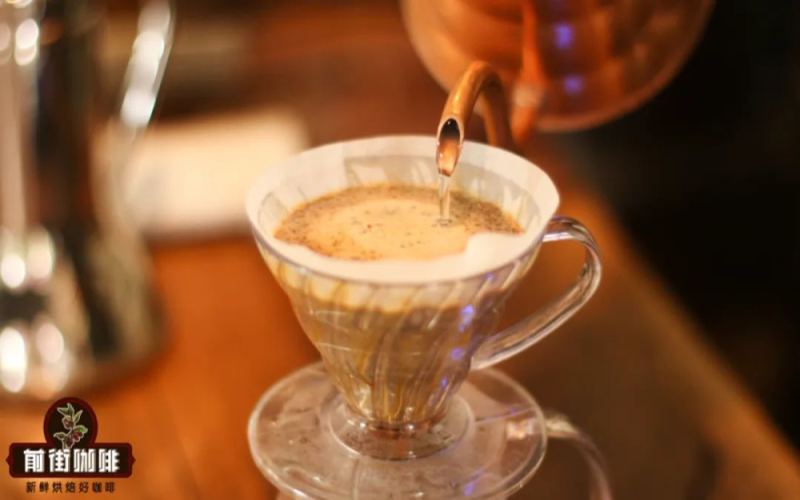
How Does Pour-Over Coffee Water Flow Rate Affect Extraction? A Detailed Explanation of the Differences Between Fast and Slow Flows and Methods for Measuring Flow Rate
During the pour-over brewing process, the speed of pouring water directly affects the extraction time, the state of the coffee bed, and the final flavor expression. Many enthusiasts misunderstand large and small water flows, believing that a small flow equals gentleness and a large flow equals forcefulness. In reality, flow rate refers to the amount of water poured per second and has no absolute relationship with impact force. This article will analyze in detail the effects of large and small water flows on different extraction results, share how to measure pouring flow rate with an ordinary electronic scale, and, combined with Front Street Coffee's practical experience, explain when to switch between large and small water flows, helping you adjust flexibly during brewing to achieve a more ideal coffee flavor. [more…]
Pour-Over Kettle Buying Guide: A Detailed Look at Spout Shapes, Material Differences, and Brand Recommendations
The heating up of the single-origin coffee market has driven the diversified development of pour-over equipment. Faced with numerous brands such as Kalita, Hario, and Bonavita, as well as different kettle shapes like fine spout, gooseneck, and flat spout, beginners often find it hard to choose. This article approaches the topic from two major dimensions—spout inner diameter and material characteristics—to systematically sort out the pros and cons and applicable scenarios of various pour-over kettles. Combined with the hands-on experience of several baristas, it also reviews popular models such as the Hario Cloud kettle, Bonavita gooseneck kettle, Kalita copper kettle, and Melitta pour-over kettle. Whether you are a novice just getting into pour-over or an enthusiast seeking advanced equipment, you can find a direction that suits you. The article also includes practical advice from Front Street Coffee. [more…]
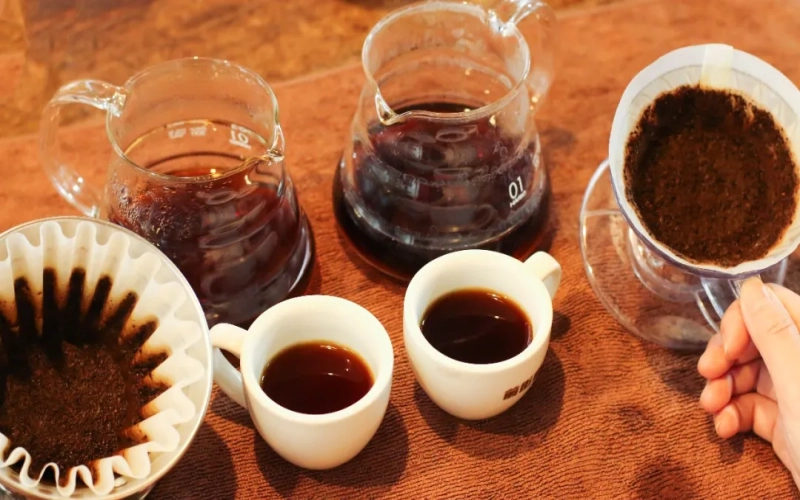
How Does Fine Grind Fast Extraction Differ from Coarse Grind Slow Extraction? A Full Analysis of Pour-Over Parameters and Flavor Differences
Among the many variables that affect extraction results, the combination of grind size and extraction time has long been a subject of debate. This article compares two approaches—"fine grind, fast brew" and "coarse grind, slow brew"—analyzing their differences in flavor complexity, body, and balance. Drawing on the actual brewing parameters for Front Street Ethiopia Huakui, it demonstrates the procedures for fine grind with a short time and coarse grind with a long time, helping coffee enthusiasts understand the applicable scenarios and room for adjustment for each approach. [more…]
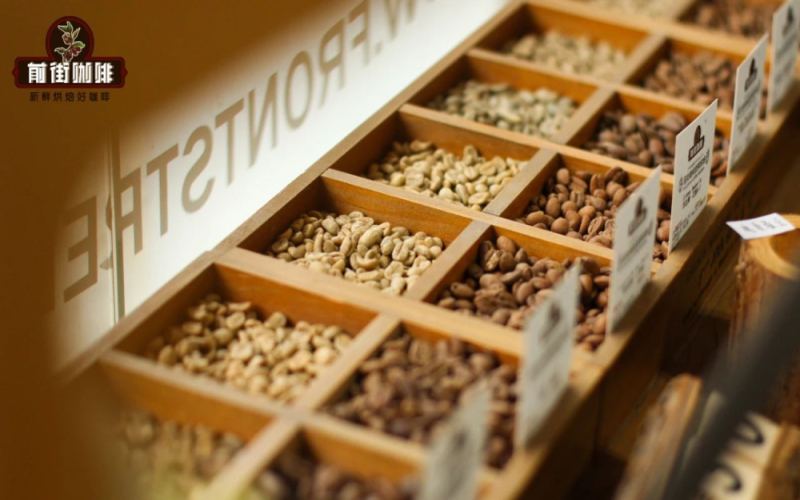
Flavor Characteristics and Processing Methods of Asian Coffee Origins: A Guide to Varieties and Brewing from Indonesian Mandheling to Yunnan Arabica
Among the world's three major coffee-growing regions, Asia may not be as well-known as Africa and the Americas, but its output and flavor distinctiveness are by no means inferior. This region as a whole is known for its rich, full body and rounded sweetness, making it especially excellent as an espresso blend base, while also possessing a unique charm when brewed as a single-origin pour-over. This article systematically reviews the coffee landscapes of major Asian producing countries such as Indonesia, China, Vietnam, India, and Papua New Guinea, with a focus on analyzing distinctive processing methods such as Indonesia's wet-hulling process and India's monsoon processing method. It also comprehensively compiles the brewing parameters and flavor descriptions of Front Street Coffee's Mandheling, Yunnan small-batch, and Bird of Paradise products, providing coffee enthusiasts with a practical reference from origin to cup. [more…]
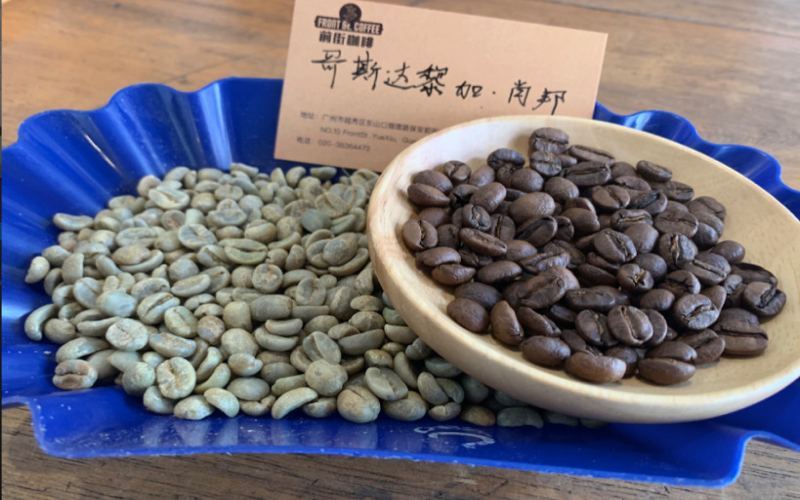
Costa Rica Canet Estate Chopin Coffee: Four Pour-Over Brewer Methods and Flavor Comparison
Front Street Coffee has recently added Chopin coffee beans from Costa Rica's Canet Estate to its lineup. After joining the Musician Series, this bean has drawn attention for its prominent rose aroma and sweetness in cupping. To investigate how different brewing devices affect the flavor expression of this bean, Front Street Coffee conducted four comparative brews using the Hario V60, Ice Eye dripper, Strawberry dripper, and Origami dripper. This article focuses on the structural characteristics of these four drippers, the parameters and brewing techniques used for each, and the resulting differences in aroma, acidity, sweetness, and finish, helping coffee enthusiasts find an extraction approach better suited to their own taste. [more…]

Analysis of the Causes of Slow Drawdown in the Final Phase of Pour-Over Brewing and Practical Solutions
The total brew time of a pour-over is shaped by multiple factors at once—grind size, how the particles take on water, the pouring technique, and the design of the dripper—making it very hard to control precisely. Many people new to pour-over habitually use time as the standard for judging whether the flow rate is normal. Once the flow at the tail end of the brew refuses to come down, the extraction time gets dragged out and the coffee easily picks up bitter, off-flavors. This article focuses on the common frustration of standing water at the tail end of a pour-over, analyzing the causes one by one—from the quality of the coffee grind, the roast level of the beans, the pouring technique, and puck management—and offers the corresponding solutions summarized by Front Street to help you find the real reason behind the slow drainage and adjust accordingly. [more…]

The Complete Guide to Pour-Over Light Roast Coffee: Solve the Slow Flow and Water Pooling Problem, Easily Brew Sweet Flavors
Light roast coffee beans are beloved for their bright floral and fruity aromas, but many enthusiasts often run into slow flow rates and easy pooling when brewing pour-over at home, ultimately extracting nothing but a monotonous sour taste. This actually has a lot to do with the physical structure of light roast beans: with a light roast level, the bean body is dense, the carbon dioxide content is low, and both water absorption and degassing capacity are weak, causing fines to easily settle and clog the dripper. This article will take a deep dive into the difficulties of pour-over brewing with light roast beans, and drawing on Front Street Coffee's brewing experience, share how to effectively enhance the sweetness and complexity of coffee by adjusting water temperature, pouring technique, and staged extraction, so you can consistently brew a well-balanced cup with both acidity and sweetness at home. [more…]
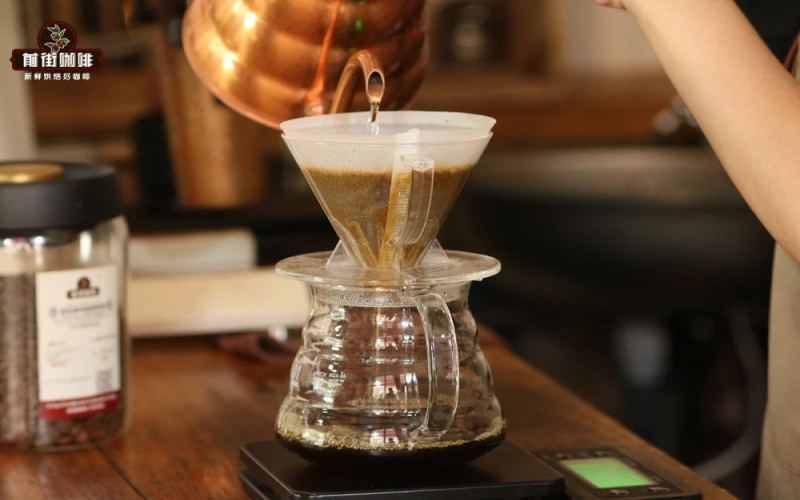
A Detailed Guide to Pour-Over Coffee Pouring Methods: The Differences Between Circular and Center-Point Pouring and Practical Key Points
Pour-over coffee pouring techniques have always been one of the topics newbies care about most. Many friends who have just discovered Front Street Coffee often ask: why doesn't the coffee I brew taste good enough? In fact, understanding and applying the right brewing parameters is more important than obsessing over pouring techniques. This article compares two methods—circular pouring and single-point pouring—analyzes how the coffee bed changes, why turbulence occurs, and how stirring intensity affects extraction, while also answering common questions about pouring height and the direction of circular pouring. This set of pouring key points that Front Street Coffee has put together for beginners starts with slow, steady, and straight, helping you avoid channeling and brew an even, delicious pour-over coffee. [more…]

How to Make Delicious Iced Pour-Over Coffee? Two Popular Brewing Methods and Ratios Explained in Detail
As the weather warms up, cold drinks are back in the spotlight, and iced pour-over has become a favorite for many coffee lovers. However, when trying to recreate online recipes at home, many people often run into problems like weak coffee or flat flavors. Front Street Coffee has put together two highly praised iced pour-over methods from its bookmarks: one is the stirring method from KURASU COFFEE in Kyoto, and the other is the ice-shaking method from Taiwanese barista Amis. These two approaches tackle the issue from different angles—one boosts extraction, the other chills and mixes evenly—and both use everyday pour-over gear with clear parameters, making them suitable for friends at different skill levels. This article will use a naturally processed Ethiopian Bensa beans as an example to break down the pouring technique, coffee-to-water ratio, timing, and flavor profile in detail, helping you find an iced pour-over approach that suits you better. [more…]
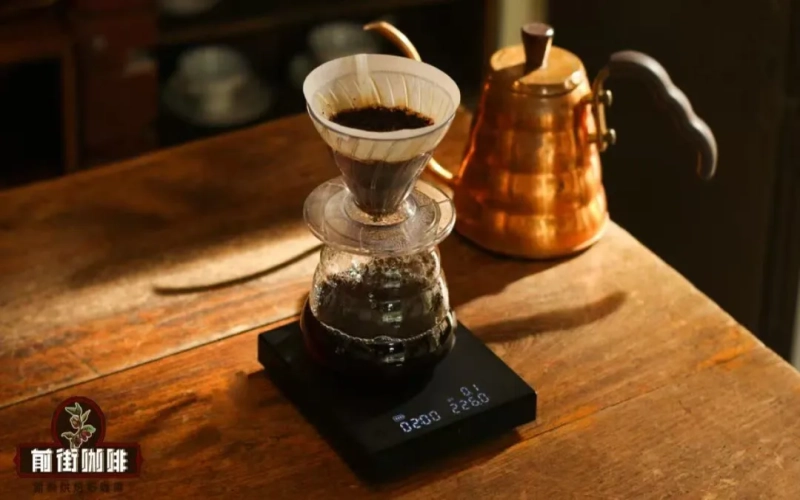
Why should pour-over coffee extraction time be recorded? Abnormal times reveal problems with grinding, technique, and equipment
Many coffee enthusiasts habitually start a timer when brewing, but some also feel that timing is optional. In fact, although time cannot be directly controlled, it can help us judge whether the grind, technique, and equipment are suitable. This article, from Front Street's perspective, discusses why timing matters in pour-over coffee, what extraction times that are too fast or too slow each mean, and how to correct brewing problems by adjusting grind size, pouring method, and dripper, so you can brew a good cup of coffee more consistently. [more…]

A Complete Analysis of Hacienda La Esmeralda Geisha Grades: Flavor Differences Between Red, Green, and Volcanic Rock Labels and Pour-Over Parameters Explained
Panama's Hacienda La Esmeralda rose to fame with Geisha at the 2004 Best of Panama competition, and was the first to establish a strict grading system. The three grades—Red Label, Green Label, and Volcan Rock (formerly Blue Label)—each correspond to different elevations, cupping thresholds, and processing methods, with distinct flavor profiles. Front Street Coffee's bean list features all three Esmeralda Geishas, and this article will go through the estate's grading logic, plot traceability, processing techniques, and light-roast approach one by one, along with the complete pour-over parameters and three-stage extraction steps for Front Street's Red Label Natural Geisha, to help coffee enthusiasts understand the flavor directions and extraction key points of different Geisha grades. [more…]
The Impact of Pouring Techniques on Flavor in Pour-Over Coffee: A Complete Analysis of Water Flow, Spiral Speed, and Trajectory
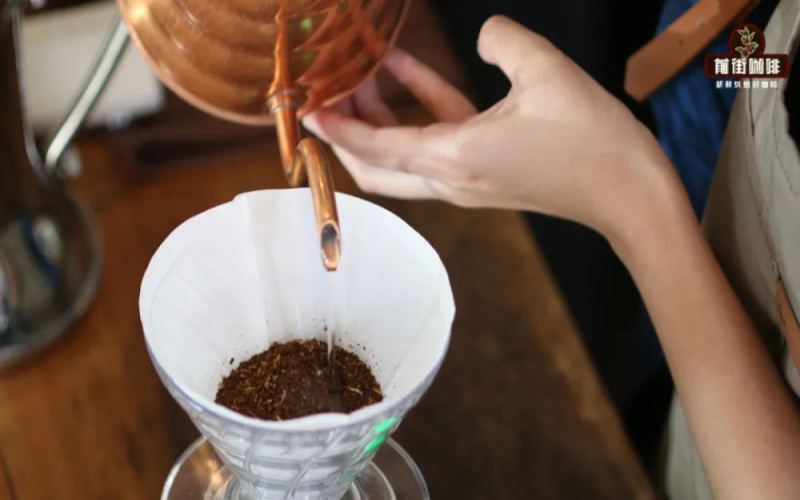
The reason pour-over coffee is called "pour-over" lies in the act of pouring water itself. Every barista has a different pouring style, and these differences directly influence the final flavor in the cup. There is no inherent hierarchy among pouring methods—what matters is whether they match the beans and the target flavor profile. Before developing a personal style, it is necessary to first understand exactly how different pouring techniques affect the extraction result. Drawing on Front Street's practical experience, this article examines three variables—flow rate, circling speed, and circling pattern—analyzing one by one how they change coffee's layers, acidity, sweetness, and body, and offering actionable combined pouring strategies to help you find the balance point between sweet-and-fruity notes and a rich, full mouthfeel. [more…]

Panama Santos Estate Geisha ASD Anaerobic Low-Temperature Slow Dry Process and Flavor Analysis
Santos Café Panamá is located in the Nacimiento area of Santa Clara and has been owned and passed down by the Lezcano family since their purchase in 1947, now spanning five generations. In 2014, estate owner Mario Lezcano acquired La Marma estate and formally entered the specialty coffee field, and his Pacamara "White Horse" even won the traditional washed category championship at the 2021 BOP competition. This article focuses on Santos Estate's Geisha coffee beans, providing a detailed explanation of the ASD anaerobic fermentation low-temperature slow sun-drying process they use, and presenting Front Street Coffee's roasting approach, cupping performance, and V60 brewing parameters for this bean, offering you a comprehensive understanding of this Panamanian Geisha that combines dark berries, hawthorn acidity, and a black tea finish. [more…]
Analysis of the Hario V60 Dripper's Spiral Rib Design: The Effect of Pouring Direction on Extraction Flow Rate
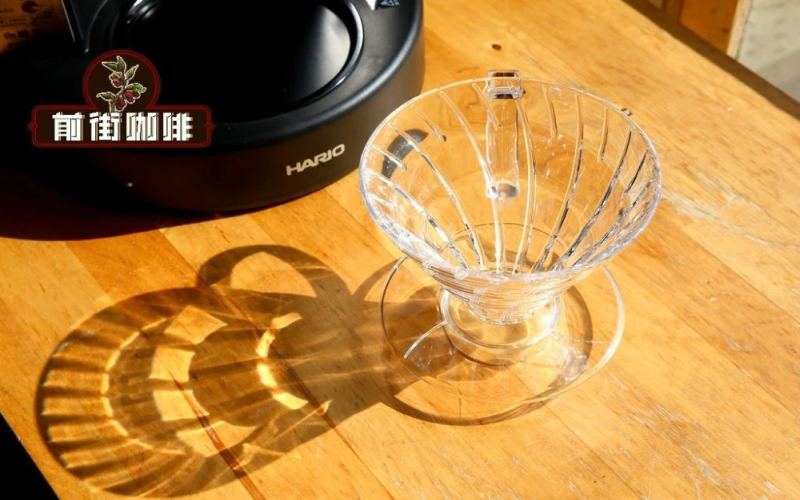
Among the dazzling array of pour-over drippers, the Hario V60 stands out with its unique conical structure and spiral rib design, becoming the top choice for many coffee enthusiasts. How do its 60-degree cone angle, large-diameter outlet hole, and spiral guide grooves affect the extraction layers and taste performance of the coffee? What differences in flow rate and flavor arise when pouring clockwise versus counterclockwise? Drawing on the hands-on experience of Front Street Coffee, this article provides an in-depth analysis of the V60's design ingenuity and shares a stable and reliable three-pour brewing method to help you fully unlock the potential of this classic dripper. [more…]
Ethiopia Guji Hambela Buku: Flavor Analysis Under Low-Temperature Slow Sun-Drying Process
In the highlands of southeastern Ethiopia, the Guji region has gradually risen to prominence thanks to its superior terroir, and Buku Abel within the Hanbela village is a pristine coffee-growing site at an altitude of over two thousand meters. This article provides an in-depth introduction to the Buku plot's regional background, processing methods, green bean characteristics, roasting curve, and cupping flavor performance, while also sharing Front Street Coffee's brewing recommendations for this batch of beans. From the drying logic of low-temperature slow sun-drying to the pear, strawberry, orange, and creamy honey-like sweetness presented in the cup, this takes you through a comprehensive understanding of this Ethiopian specialty coffee that combines floral aromatics with tropical fruit notes. [more…]